
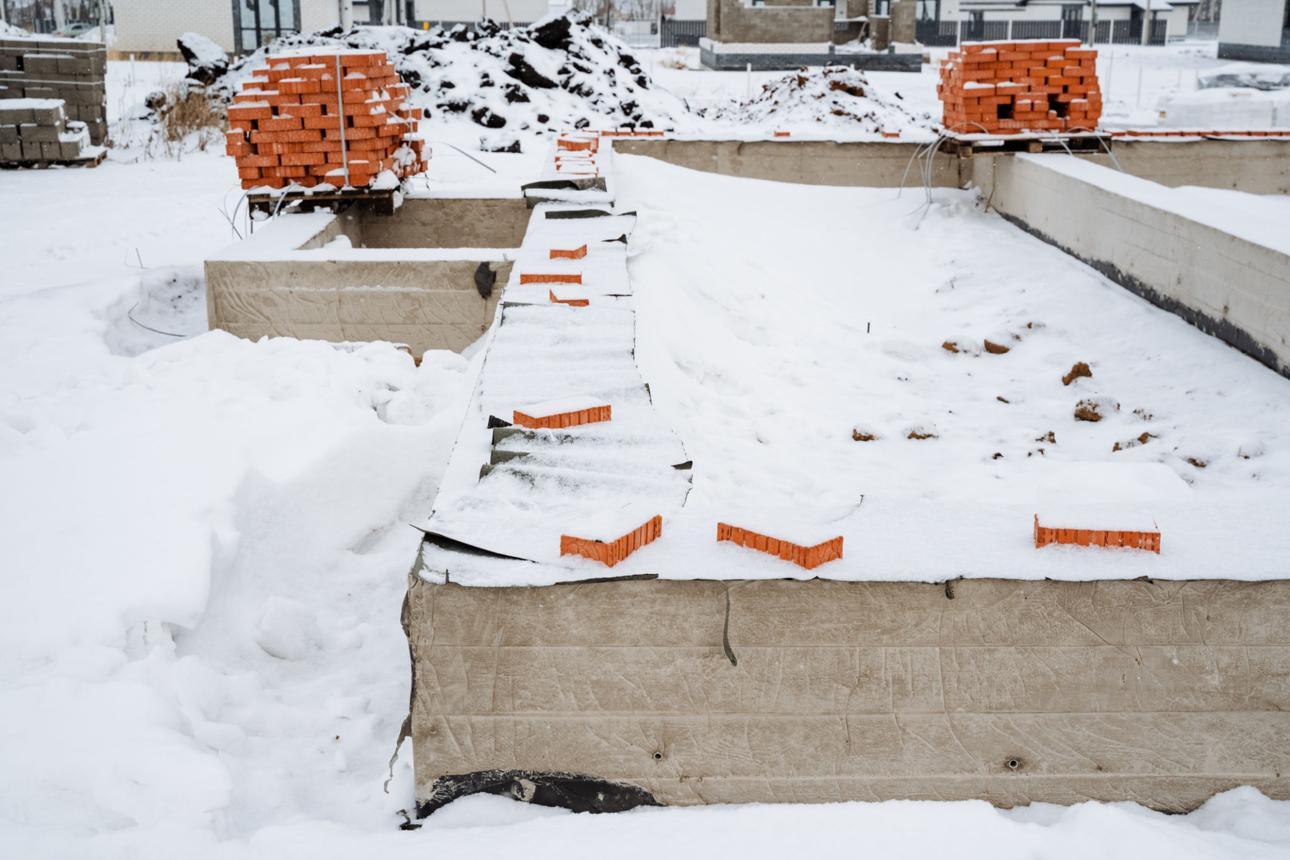
Winter is often viewed as a challenging time for construction—but with the right planning and expertise, projects can still move forward efficiently. Understanding how cold weather impacts construction is key to making informed decisions and avoiding unnecessary delays.
One of the primary challenges of winter construction is temperature. Freezing conditions can affect materials such as concrete, which requires specific conditions to cure properly. Without the right precautions, structural integrity can be compromised. However, experienced contractors use specialized techniques, such as heated enclosures and additives, to ensure quality results.
Weather conditions, including snow and ice, can also impact site accessibility and safety. Proper planning, site management, and scheduling adjustments are essential to maintaining progress. This is where working with a professional construction team becomes critical.
Despite these challenges, winter construction offers several advantages. Contractor availability is often higher, allowing for more focused attention on your project. In some cases, material costs may also be more stable compared to peak construction seasons.
Interior projects, in particular, are well-suited for winter. Renovations, upgrades, and build-outs can continue with minimal disruption from weather conditions. This makes winter an ideal time to prepare spaces for use in the spring.
Another benefit is early positioning. Starting a project in winter allows you to move ahead of the spring rush, giving you a competitive advantage in both scheduling and completion timelines.
At Munroe Construction, we understand how to navigate the complexities of winter building. Our team implements proven strategies to ensure projects remain safe, efficient, and on track—even in colder conditions.
Considering a winter construction project? Contact Munroe Construction today to discuss your options and plan with confidence.